Biodiversity
VERBUND takes responsibility for environmental protection and implements targeted measures to preserve and promote biodiversity.

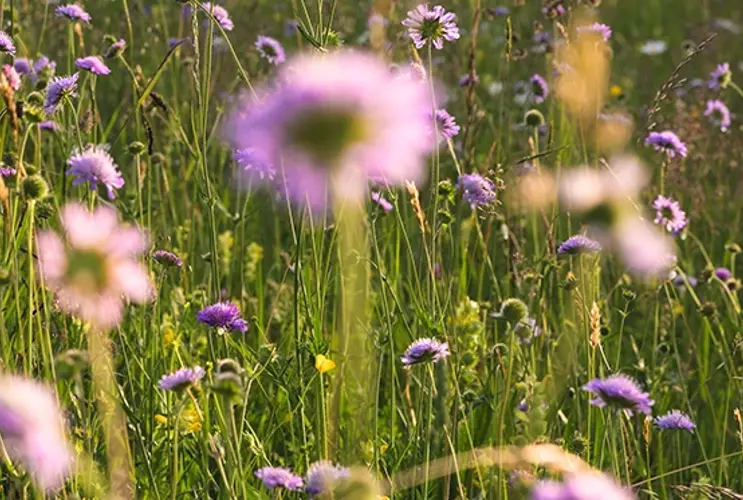
Species diversity, genetic diversity within species and ecosystem diversity are essential for a healthy and intact environment. VERBUND therefore implements numerous measures to protect, conserve and promote biodiversity: from the restoration of green spaces and river sections, through the creation and maintenance of near-natural structures such as hedges or deadwood features, to the control of invasive neophytes, as well as the promotion of wildflower strips and conservation measures for endangered bird species.
All these activities are underpinned by common principles, which are summarised in the VERBUND Biodiversity Policy. Concrete examples are used to illustrate how the four stages of the mitigation hierarchy (avoidance, minimisation, restoration and compensation for remaining impacts) are being implemented.
Furthermore, VERBUND takes its own environmental impacts into account, draws on scientific evidence and relies on nature-based solutions. Clearly defined targets and commitments relating to biodiversity also form a central part of the policy.
Environmental Protection and Nature Conservation at VERBUND
VERBUND is actively committed to environmental protection and the promotion of biodiversity. A key objective is to restore the free flow of major rivers in accordance with the European Water Framework Directive. To this end, we create near-natural tributaries and fish migration aids that benefit not only fish but all organisms in the aquatic habitat. Through targeted structural measures, such as shallow water areas and additional side channels, we promote biodiversity and provide refuges for rare plants and animals.
In our wind farms, experts carry out regular ornithological monitoring to analyse the impact on various bird species. Bird protection measures are implemented along power line corridors, and species conservation projects support, amongst others, threatened bird species such as the great bustard and the saker falcon. Biotope conservation projects promote habitats in forests that provide refuges for numerous animal species as well as rare plants. In agricultural areas, we design the spaces beneath the pylons so that they can serve as refuges for plants and animals.

